
You remember how, when you were a kid, your mom would put a plate of broccoli and cauliflower and carrots in front of you and you would squinch your face really hard, purse your lips, and then guttural gagging sounds would fall out of your mouth?
Your mother would say, “Missy, eat your vegetables. They’re good for you.” And then she’d stare at you with slitted, all-seeing eyes, and inside you totally hated her guts and wished God had given you a different mom. A nice mom who wore fluffy pink dresses and smiled and said, “by golly, Miss Molly, our roses are in bloom” and never, ever made you eat vegetables?
You remember that?
And what do you think of vegetables now, little miss? They’re pretty good for you, aren’t they? Instead of turning your nose up to a spear of asparagus dipped in butter and lemon sauce, you salivate.
Well, today, you can consider me your mother. And, soon, you’re going to stop turning your noses up at things that smell different than you’re used to.
Sometimes Natural Ingredients Just Smell … Weird
This is a question I get often: “Hey, Betty. I don’t like the way (insert something) smells. What should I do?”
And this is the part where I have to be a mom. If you don’t like the way something smells, but you like the potential of what it can do for your skin, or your household, or your health, then you’re going to have to learn to just live with it.
Nay. If you actually consider everything I’m about to tell you, you’re going to LIKE living with it. The secret to accepting – and even enjoying – the smell of some natural ingredient scents is to understand, embrace what this part of nature has to give you, and accept that scent as a little quirk in an otherwise awesome plant part.
See, our noses have been raised to enjoy overwhelmingly sweet and unnatural synthetic scents. They’re everywhere – everywhere. We think a plant is supposed to smell like Summer Rain or Cucumber-Melon Punch or Coconut Raspberry Hawaiian Mist Dream Clouds. And that’s just not natural.
So, when you start on this journey of crunchiness, there are a few things you’re going to have to accept. One is that you shouldn’t touch important legal documents for five minutes after applying shea butter to your hands. The second is that many natural things smell different than what you’re used to.
There are ways to masks smells and tastes. Peppermint essential oil is good for both of those things, especially if the taste you’re trying to mask is baking soda in your toothpaste. Diluting with carrier oils or butters that don’t have any smell to them is another.
It’s in our best interest, though, if you just … love what it is. How it is. Even if it’s weird. Acceptance makes blending, creating, and healing SO much easier.
So I’ve put together a list of the top five oddly-fragrant natural ingredients, so you know what you’re getting into when you buy them, and hopefully you’ll decide that the benefits outweigh that silly little quirk (and you’ll even learn to love the stinky quirk, because it’s a part of the magnificent plant).
Five Smelly Ingredients and Why You Should Get Over It
The number one smelly ingredient is …
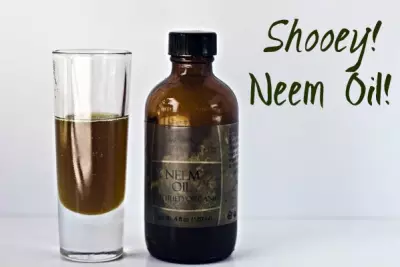
Neem Oil
For as much preaching as I just did at the top of this post, to be honest, I’m not sure anything in the world will ever make me appreciate the scent of neem. I cannot even describe it. It’s sharp, but dank. And if you’ve ever worked with neem powder, you know that stuff will go straight up your nose and lodge itself in the back of your throat, only to sneak down for hours afterwards, assaulting taste buds you never even knew you had.
Neem does not smell pretty. The smell does disappear well when you add it in small doses to things like coconut oil (like in my deodorant) or other carrier oils, and it seems to blend well with citrus essential oils.
However, it is a bit of a monster in the stink department, on its own. So why on earth should you use it? How can you come to appreciate it?
The History and Benefits of Neem Oil
- Neem oil comes from the nut of the neem tree, which originates in India, where it’s been used for healing purposes for thousands of years. Literally thousands.
- Neem is highly antibacterial and antifungal, which makes it a great treatment for dandruff, toenail fungus, athlete’s foot, and …
- … Acne. Many people have reported a significant decrease in acne breakouts after using neem, due to its high antibacterial content.
- Neem oil is also soothing for itchy or irritated skin (and when you add that fact to its highly antibacterial properties, it’s a great ingredient for deodorant, when mixed properly – so you can’t smell it!).
- People with rosacea and psoriasis should give neem oil a try, as these are two conditions that it’s widely known to benefit.
- Neem is actually great at deterring bugs, so try it in a homemade mosquito repellant, or dilute it and spray it around your plants!
The jury’s still out on whether or not it’s safe to ingest neem oil (actually, I think the jury leans a little more towards NOT ingesting it, unless you’re under careful supervision of a professional). So keep it out of the reach of children. Not that they’d be tempted to drink the stuff, the way it smells. Phew!
And that list above? It doesn’t even begin to cover all the benefits of neem. If you want to learn more, I suggest visiting Mountain Rose Herbs and searching for “neem” and then reading their lengthy history and description. In fact, if you’re ever inclined to read about any ingredient, its uses and benefits and cautions, Mountain Rose Herbs keeps stellar informational pages. When in doubt, read those first (you just have to find the “learn more” link on each ingredient and click that).
Tamanu Oil
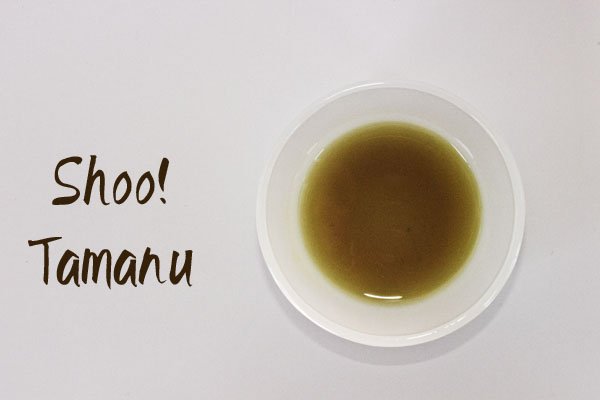
I actually adore the smell of tamanu oil, but there are plenty of people who’ve reported not particularly adoring it. It smells, to me, a bit like walnuts, only more deep and rich. Like being immersed in the middle of a tropical rainforest. Although I’ve never been immersed in the middle of a tropical rainforest, so I’m just guessing here.
All in all, the smell is not really what you’d expect, but to me there’s nothing off-putting about it. Deep, earthy, and nutty with a light note of weirdness that’s hard to place. If I could choose one word to describe the smell, it would be nourishing.
Truly, the benefits of tamanu oil FAR outweigh any nose-upturning odor that you may think it has. I wrote quite a bit about this beautiful little oil in this post here, so visit to learn more.
History and Benefits of Tamanu Oil
- The tamanu tree grows in portions of tropical Asia, and it delivers a fruit that taste somewhat like an apple; the thick oil itself is pressed from the pits of those fruits.
- Like neem, tamanu is very highly antibacterial, so it can be used to treat wound infections, fungal infections, and even, of course, acne.
- In fact, tamanu shows stellar ability to lessen the formation of scars, so those of you who use it for acne problems may even see a reduction in scar formation, or even a reduction in the scars you already have.
- You can apply the above wisdom to any type of scars – including stretch marks. I’m not saying it’ll absolutely disappear stretch marks, but it might help your skin heal them until they’re less visible.
- With its high fatty acid values and antibacterial properties, tamanu oil is also a magnificent healer of burns, helping to keep them infection free as it heals with little scarring.
I’m not ashamed to say that I’m extremely partial to tamanu, above many other oils. But because production of tamanu oil does take quite a bit of time and a lot of tamanu nuts, I use it judiciously and not to excess (it’s all about conscious appreciation, right?). Search it up on Mountain Rose Herbs to learn even more, and you can pick some up there, at Amazon or at your local natural foods store.
Sea Buckthorn Oil
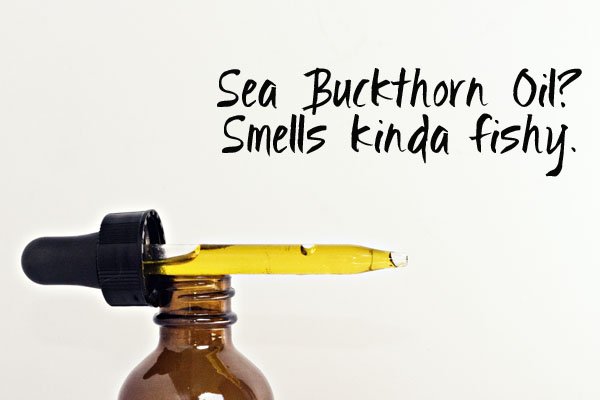
It should come as no surprise that an ingredient with the word “sea” in it, might actually smell like, well, the sea. And that’s exactly what sea buckthorn oil smells like to me. Not really fishy, but more like when you swim a few meters out into the ocean and all you can smell is a deep, wet, salty fragrance.
Sea buckhthorn oil is all the rage in beauty products these days, and with good reason.
History and Benefits of Sea Buckthorn Oil
- Despite the name and smell, sea buckthorn doesn’t actually grow in the sea, although it does often grow BY the sea. It’s a shrub indigenous to parts of Europe and Asia that yields gorgeous orange-yellow “berries,” from which the oil is extracted.
- Sea buckthorn oil contains a host of amazing properties, including vitamin E, carotenoids, and antioxidants, which makes it a superb treatment for aging, wrinkled, or damaged skin.
- It’s also used extensively to treat and heal minor skin issues, burns, abrasions, eczema, and sun damage.
- When used as a hair treatment, sea buckthorn oil nourishes and conditions, while adding a bit of shine. Also, there are many subjective (not scientifically studied) reports that sea buckthorn oil even helps regrowth of thinning hair.
Because sea buckthorn oil rose to fame so rapidly in the beauty world, studies are now being performed on its inherent nutritional value as well. And they’re very promising. Taken internally, sea buckthorn oil provides a host of great benefits to the circulatory and digestive system. Check into it!
VINEGAR VINEGAR VINEGAR
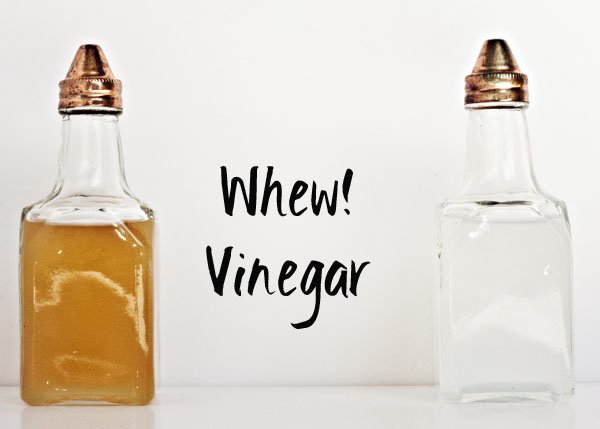
This is the ingredient that frustrates me the most, when people are all, “EW. I HATE the smell or taste of vinegar! EW. What can I use instead?”
Because the benefits and uses of vinegar are widely detailed in almost every site and blog on the internet, I’m not going to go into details.
I’m just going to ask you this:
What would it take for you to enjoy the smell of vinegar? What things could you focus on instead of the smell of distilled or the taste of apple cider vinegar? Could you think about how it’s so much less toxic than your traditional cleaning products? Or how apple cider vinegar serves you up digestive-healing, pH balancing nutritional properties? Or how it’s bringing luster and shine to your hair?
Personally, I freakin’ love the smell and taste of vinegar, so it’s not always easy for me to empathize. But I wasn’t always that way. If you think there’s absolutely no way you’ll ever be able to stand cleaning with vinegar, or going no ‘poo if you have to rinse with vinegar, I highly recommend doing brief meditations on the stuff while you’re using it – meditating on the fact that it’s freakin’ awesome.
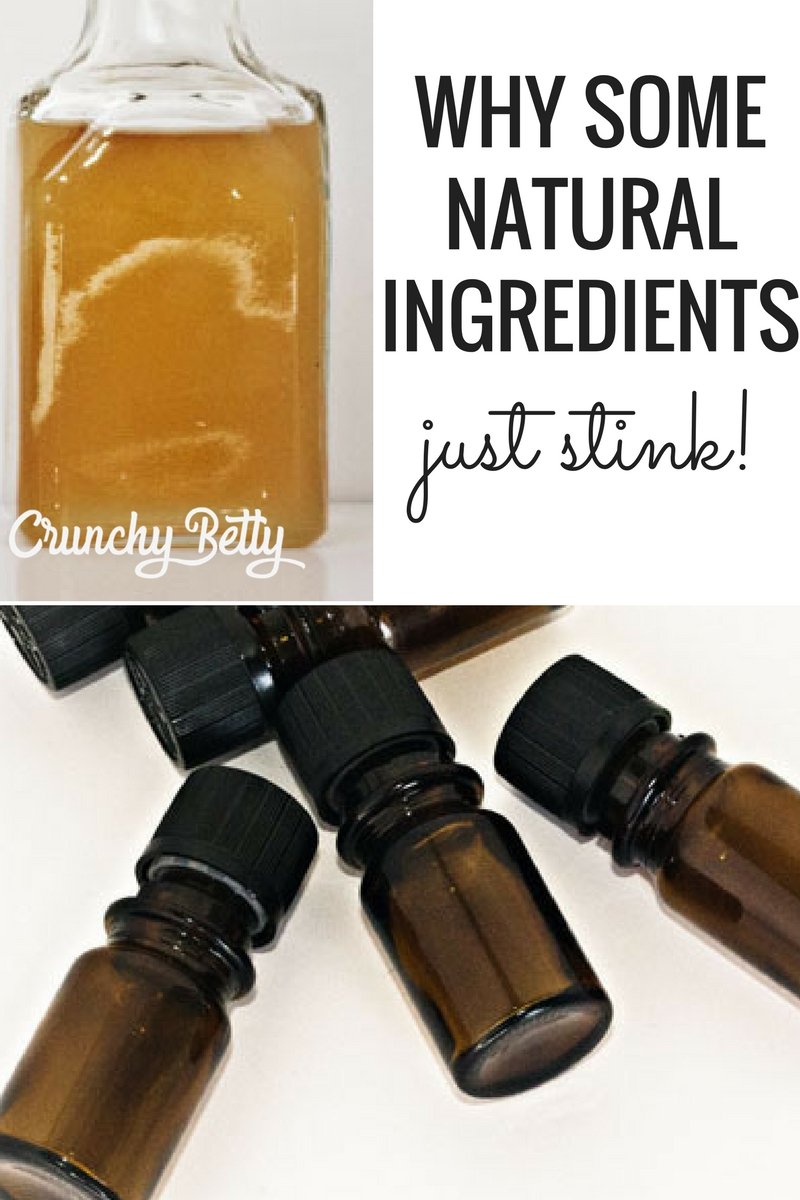
By the way, the white vinegar pictured above is actually vinegar made from sugar cane (I found it at our local Asian grocery store). It’s superbly interesting in taste (slightly sweet) and despite the fact it’s made from cane, it’s doing a great job in my household cleaning routine. And with far less of a vinegary scent, to boot. I don’t know much about how cane vinegar is produced or harvested or whether it’s sustainable, though, so if anyone else out there knows, I’d love some education!
Certain Essential Oils
It seems that people are a little surprised when they buy their first essential oils and learn that the majority of them smell nothing like perfume …
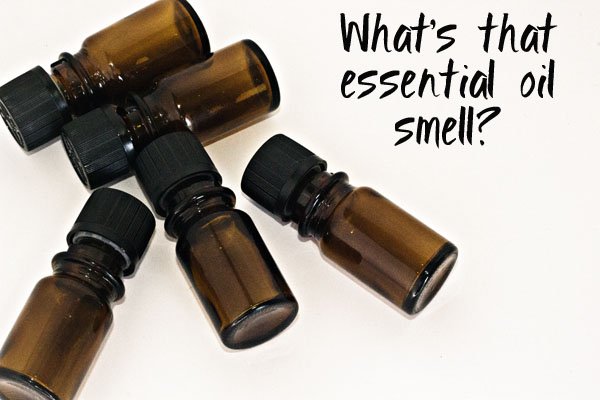
Like the vinegar, I’m not going to go into specific benefits of specific essential oils, because this is such a broad topic.
I just want to let it be known that essential oils are NOT perfume, and the majority of them are going to smell very, very natural, somewhat medicinal, and like a super saturated version of the plant they come from.
Because that’s what they are.
Take vetiver, for instance (one of my favorite essential oils). To me, it smells like peppery fresh grass on a bright, sunshiney day. I cannot smell vetiver without smiling so big my whole face nearly turns inside out. It makes me happy.
But when Skip smells it, he says “Ew. Why does that smell like a bottle of medicine and cleaning supplies combined?”
The best way to truly appreciate an essential oil that smells, to you, like medicine or cleaner is to remember this: Many essential oils ARE medicinal, and they are, in fact, superb for cleaning. Love them. Love where they come from and what they do for you, and then you’ll learn to appreciate the fragrance for what it offers, not hate it because it doesn’t smell like your store-bought, synthetically fragranced products.
However, if you encounter an essential oil that brings up bad memories or evokes an extremely negative feeling, you should, by all means, avoid it. Any time you use essential oils for reasons other than aromatherapy, you’re still receiving aromatherapy. And one basic tenet of aromatherapy is that if a scent brings up severe negative emotions or memories, you should avoid it (you’re not going to get much benefit from negativity)!
But if you’re just poo-pooing it because it smells like medicine or a cleaning product, well … start thinking about the benefits first and THEN see how you feel about it.
—
And above all else, don’t just avoid a product because it smells like something you’re not used to! After all, the height of mental conditioning and personal growth lies in trying new things and exploring what they mean to you.
So go.
Go now.
And stink to high heaven.


Any tips on how to hide the smell of Manuka oil? It smells like a musty item in a basement that has had repetitive water damage mixed with dumpster in the hot sun… But I love the therapeutic use… Peppermint on skin is too strong… Have you used it before?
Hi. Thanks for the detailed article. Regarding tumano, I got a bottle shipped overseas to me. It smells so bad, not like walnut as yoy said. More like fenugreek but much stronger. I was wondering if it went bad.
Neem is my favorite oil to moisturize with as I notice the redness in my skin diminish almost INSTANTLY after I rub it on. I’m happy to identify the smell: OLD, RANCID, PEANUT. I can deal with it because I love the effects on my skin, but the husband hates it 🙁 Would love to figure out the idyllic blend that makes it tolerable and still effective !
After his death, the business was successfully
carried on by his three sons. Thread and stitching – thread used in stitching is always the same
as the colour of the leather. 1990’s – Bra became
a highlight on women’s wardrobe.
Now, if you are looking for such a brand, you should consider the Bourne shoes.
It compares the design of vintage motorcycles to today’s models.
Wearing an elegant UGG boot with tight jeans can give you
a classy and beautiful look.
asics singapore outlets
Surprised you didn’t mention Shea butter! Just made my first batch of body butter and I think I ended up doubling (or more) the essential oils and still didn’t tame the shea smell 🙁
Question: I have done some research on essential oils (besides manuka or tea tree oils) that are great as a spot-treatment for acne. Oregano oil, cajeput oil, lavender oil, grapefruit oil, lemon oil, bergamot oil and rosemary oil. And I’ve put together a little “spot treatment” batch with maracuja oil as the carrier. However, now I have a “spot treatment” that smells like cigarette smoke and makes me gag! Beside pouring the whole thing down the drain, any suggestions as to what I can add to make this tolerable?? Or could you recommend what YOU would use to spot-treat pimples??
Crunchy Mamas zit stick is awesome! They use oregano, myrrh and tea tree oils in it. LOVE it!
Hi. Mixing essential oils doesn’t bring in all the benefits of the individual oils and andvitz dangerous. Some oils interact. That might be the cause of the smell. There are compatibility charts that shows you with oils can mix but it is always safer to only delude a single essential oil in a carrier oil and use it.
Thank you for sharing your thoughts. I truly appreciate your efforts and
I will be waiting for your next post thanks once again.
Started using 100x washed ghee sparingly on my very dry skin. I am persevering with the smell, however would like some advice on what oil would be best to take away the buttery smell. Thanks
I love the smell of tamanu oil! I also love the smell of tea tree, peppermint… I have yet to sniff neem oil but I am curious since it’s at the too of your list. I love the benefits of sea buckthorn oil but oh my, it definitely stinks. To me it smells like natural gas and propane, maybe with slight fishy undertones and some sea water thrown in for good measure; maybe my sniffer is just broken. Tamanu to me smells nutty and earthy and deep with something that I can’t quite figure out. Tea tree smells refreshing to me much like peppermint is refreshing. Oh! I love lemongrass and lemon myrtle, too! I am curious to smell vetiver since you like it so much and your description make me even more curious. I bet it smells interesting. Thanks for the good read 🙂
Hi, of course this paragraph is truly pleasant and I have learned lot of things from it regarding blogging.
thanks.
In this forum we have a benefiting statistics approaching IT.
You’ll want to meet what news assert! Don’t be tricked, always indicate the most beneficial preference.
Here you can recover information on Microsoft Romania along with other significant crowd
like Cisco, HP newly with this forum I ran across a marketing and advertising connected with
instant routers! Wow!
Pretty! This has been a really wonderful post.
Thank you for supplying this information.
How about Helichrysum? I get some weird looks with that one, although it helps heal scars and reduces inflammation. Neem is awesome for painful acne and keeps the bugs away, but it’s only something I’d use if I were alone for an extended period of time. I don’t think Tamanu has a horrible smell, either, it’s not something one needs to use a whole lot of, anyway. Perhaps if Tamanu were left in a hot car or in sunlight, it might go bad, though.
I have Seabuckthorn CO2 extract, which smells really sweet and fruity and has none of that fishy smell, and is great to add to any lotion or conditioner.
As far as weird natural toothpastes go, I love my anise-smelling toothpaste. At least I can drink my morning coffee shortly after without gagging.
Is the natural-scent-phobia thing is very particular to Americans? If I go into any “foreign” grocery store (real and virtual), there are usually tons of beauty/health products with essential oils of some type at the top of the ingredient list. For example, if you look up Russian beauty products, you’ll find a lot of Seabuckthorn and Pine. Products from India- Turmeric, Neem. Germany– just about any essential oil.
Man, don’t get me started on some men (although I’m sure some women do this to) who complain about the smell of natural-based products their loved ones use. My ex would make faces at anything and everything, I found it to be kind of rude and child-like, especially since I never forced it on him. It was almost as if my body belonged to him, and he had a right to tell me exactly what I could and couldn’t use. He never smelled like a rose himself, either, more like a sweaty ashtray. I digress…
I’m the only one in my family who genuinely likes the smell of Tea Tree EO. I don’t know why, but I really do! I can’t describe it.
Neem oil is just so raunchy, I’ll use it, but convincing my mom to try it is another story. I bought an 8 oz bottle from Mountain Rose Herbs and plan on using it as a birth control, but it might work in a different way than I originally expected. I cant keep my nose out of it though because I desperately want to put my finger on what it smells like, perhaps something that’s been left in the skillet for a month, a bit of an oniony-garlicy sulfurous rank. Great post though, I loooooove the smell of tamanu!
How is it used for birth control?
I am wondering the same thing. What immediately comes to mind, is that due to the smell no one wants to have sex with you?
LOL this is too funny but Im guessing your right! If I came to bed smelling of neem Im pretty sure my man would send me to the couch!
What is the difference between sea buckhorn seed and berry oil? Which is better for external use?
Love your web site. I’m going to start reading more of your blogs now.
Oh man! I started removing my make-up with honey and baking soda like you say on your website and it sure does stink! Who knew? Baking soda by itself has no smell (to me) and the honey I use smells lovely but putting them together along with rubbing the make-up off my face stinks! lol
I contracted ringworm from work and attempted using prescribed medication as well as over-the-counter medications, which did very little to affect the fungus. After reading this article, I bought a pot of Neem Leaf lotion (which contained 85% neem leaf oil) and mixed it with concentrated neem leaf oil. The contents of the lotion did a great job of masking the funky smell, but growing up in an Asian household, the smell was strangely comforting to me. This concoction of neem leaf products worked better than any prescribed/over-the-counter cure I tried. Plus, I love that this “cure” is homeopathic. Thank you!!
lol I love this. I totally agree. I’m not keen on the smell of tea tree essential oil. it smells like medicine. but I suck it up because it’s my little miracle oil. I don’t mind vinegar anymore because to me it smells like salt and vinegar chips lol. I make my own toothpaste (equal parts coconut oil and baking soda with some tea tree oil) and at first, I couldn’t stand the taste. think really really salty medicine. EW. my husband hated it too. he was like, “it tastes like parsley” lol. but after a few months, I became unable to taste the tea tree oil. and now, sometimes brushing my teeth reminds me of eating pretzels because of the saltiness of baking soda.
Many EOs are difficult to assess the real smell of (ie the smell of it once diluted) because they’re so strong and concentrated. I didn’t like the smell of lavender direct from the bottle but once I mixed it in my lotion, it smelled awesome. peppermint is possible the only EO that smells nice straight from the bottle. the rest smell like medicine. but like the post said, most EOs ARE medicinal! I’ve come to appreciate how EOs have worked for me (tea tree and lavender for my skin and hair) and I like how they smell now because it just reminds me of how much they help me.
Contrary to popular belief, not EVERYTHING IN LIFE has to smell or taste super amazing. eventually, you learn to get used to the subtle smell of nature (which admittedly can take a few months) and even come like (or love) some of it. Now, I HATE the smell of commercial shampoos, soaps, and particularly laundry powder and cleaning solutions. they give me a headache and make me want to vomit. The other day, this person was using Goo Gone on something, and I literally gagged. the area smelled like Goo Gone for hours afterwards too. the fumes just stuck around. at least tea tree oil doesn’t kill my brain cells!
Oh the neem, I wish I had read this article before I threw it away…
I know what you mean! I hate the smell of Borage Oil! It smells fishy to me…
My mother don’t like most of the EO I personnaly love, like geranium and patchouli.
That’s too strong or hippy for her.
On the contrary she likes lavender oil but anything lavender-scented reminds me too much of those old dried lavender sachets, pot-pourri or pleated lavender buches (don’t know the real name neither in my language – french – nor in english).
And rosemary oil, it make me feels nauseous every time I smell it.
A few years ago I used it internally for healing sinusitus, and since I have difficulties even with the smell of fresh rosemary.
After reading your post, I searched in the bathroom a tiny bottle of tamanu oil I’ve forgotten, opened it : I really love the scent. It’s earthy, peppery …
Call me crazy but I LOVE the smell of Bergamot. I make it in carrier oils and occasionally just put some in my hand and smell it for the sheer joy of it! 🙂
Great post! Very informative indeed! We love the smell of vinegar 🙂 What’s your favorite smell out of them all? 🙂
I love the smell of vinegar. It smells clean. I guess I am just used to it?
Loved this post! I personally love the smell of neem oil, probably because I grew up in India, and it just reminds me of it. And I think the bad stink of vinegar just disappears after a few minutes. It’s not like you let it sit there, but you wash it off and you should air the place where you are cleaning anyways. I now associate it with cleaning so much, that I can’t really eat cider-vinegar anymore!
thelittlecave.wordpress.com
I infuse my white vinegar with rose buds to make it smell a little better for my hair and for my laundry. I also tried soaking my vinegar (for my hair) in coffee beans hoping it would make my hair darker but that didn’t seem to work.
My boyfriend can’t stand the smell of tea tree. I use it on my face every night and at times he literally gags (LOL). I remember the first time I put it on he kept sniffing the air and was like “something smells really weird…do you smell that?? what is that?????”
Sorry dude….Tea Tree makes me smile 🙂
I think tamanu oil has a nutty smell with maple syrup mixed in. It reminds me of waffles with syrup. I also can’t stand the smell of most essential oils without mixing them with something, I think chamomile oil all by it’s self is too much but add a few drops to some epsom salts and use it as a soak and it’s awesome.
I’ve been reading this blog for months now, but I’ve never been big on the commenting part. I just had to say that I thoroughly enjoyed to read this. I think your blog may even have something to do with the fact that I’m going to start an education in aromatherapy. Ever since I started reading about essential oils and their properties I’ve never once losed interest. (Which is new for me because I suffer from severe depression and everything just seems out of reach). But now I feel like I’ve found a calling. I never tire of these good ol’ herbs. I even dream about becoming a herbalist some day. Sorry about the cheesy story. Just felt like smearing my gooey goo over the internet.
I actually stopped using store-bought shampoo and conditioner about a month ago and I have replaced them with baking soda and vinegar. I have to say the vinegar has made my hair so soft and shiny, and just amazingly bouncy. And you know, I don’t care what other people think of the smell, I have always loved the smell and taste of vinegar so, yay, me!
I too have gone No-Poo since March of this year. (love it) but did battle for a while with the vinegary smell of my hair after showering….it didn’t bother me, but it did seem to bother my hubby. He kept telling me I smelled like a hippy. 🙂 Anyway, I remedied the problem by premixing my ACV with water beforehand and adding a drop or two of bergamot EO to the mixture. Then applying as usual. My hair smells great. My hubby likes too. 🙂
My hubby just says it always smells like I’ve been making pickles in the bathroom instead of showering. I hate pickles, but I really like the smell of the ACV. And my 3 yr old daughter – this morning, the very first thing she said when she rolled over and woke up : “Mommy, what’s that smell? You stink!”, as I had TT oil in my hair. Thanks, gang! Its ok – they’ll learn to love it too.
I used to use tea tree oil all the time and my friend used to complain about the smell – however it was the only thing that controlled my acne. I went on a long safari camping trip with her and a bunch of other people and by the end of it everyone was using it (becasue, duh, it works) and my friend actually bought a little bottle of tea tree oil because she liked to smell it now and then as it reminded her of me. ha ha
My #1 stinky natural thing is VALERIAN. Ugh. It reminds me of a cross between pee, possum musk, and skunk. But I take it all the time, because I’m prone to insomnia and stress and it works wonders for that. I have come to love that stinky old herb. Yay valerian!
I too love the smells of vinegar and vetiver. Although recently I dropped a brand new bottle of vetiver essential oil, which shattered on the edge of the counter, splattering my pajama bottoms before falling to the floor and spilling everywhere. That was a little too much vetiver.
(How come all these things start with V?)
Valerian reminds me of really smelly cheese…when I recommend it to people I say it’s amazing and works so well just try not to smell it. 🙂
It has taken me over a year (and I still have occasional issues) to realize that the world should not smell like bleach, a summers rain (which actually doesn’t smell like a fresh summer rain), or clean linen (again, doesn’t actually smell like it!)
Susan
http://75percenthippie.blogspot.com
http://happyhippieheart.blogspot.com
Over here, I don’t have access to any of the oils you mentioned but vinegar is something I can relate to. I actually love the smell of it (it makes me think of food, which I like) but when I started incorporating it to my personal care/house cleaning routines, everyone complained! Even my boyfriend admited he was kind of turned off by what he called my “hippie smell” which was actually vinegar in my hair and tea tree oil in my deodorant and then both of them combined in all the smooth surfaces of my room. So, now I’m covering it with peppermint oil when cleaning and jasmin absolut oil for my hair and everyone is happier. I still love the smell of vinegar, though. BTW, I cannot thank you enough for writing this blog.
Yeah, neem oil – not the best smelling. But like so many others have said, it’s better than the toxic alternatives. I don’t mind vinegar either! It reminds me of clean now. When i smell other cleaners or bleach I go nuts and it gives me a headache! My husband hates the smell of vinegar though. So now I infuse distilled vinegar with lemon, orange or grapefruit peels to lessen the smell. Like this:
http://www.thegreeningofwestford.blogspot.com/2012/05/dont-toss-those-citrus-peels.html
I wonder how this applies to a freak like me? I have chemical allergies. Two natural products/scents that immediately come to mind for me are lavendar and apple cider vinegar. Both trigger ragging headaches to start and can close down my airway. (Of course, I’m avoiding as much as life allows, conventional products, cleaners, perfume & cologne.)
I bought a bottle of neem oil from MRH about a year ago, and I really wanted to love it. I really did. I even forced myself to use up the entire bottle, which took months. And although, yes, it did smell horrid, that wasn’t really the problem. The problem was that the oil left this thick, heavy, nearly impossible-to-remove residue on everything it touched. The sink, the bathtub, the insides of the jars and bottles I had stored it in. Even after boiling them, I couldn’t get the bottles clean and had to throw them out. Neem oil has been by far the worst offender, but there are some other natural products that I have this problem with, too. My bathroom constantly looks dirty and the drains get clogged much more quickly and the old vinegar/baking soda trick isn’t enough to clear them. I spend so much time scrubbing that I’m starting to feel like a scullery maid. I am stubbornly refusing to go back to conventional products, but sometimes I wonder if the messes and headaches this stuff is causing isn’t canceling out the therapeutic benefits of using natural products. Have you ever encountered this kind of problem? How can I keep these oils from gunking up my bathroom?
dang…that’s tough. I would offer boiling water as a suggestion (it works on most oily clogs) but I’m guessing neem is resistant to that as well? I found this suggestion on http://www.organixsouth.com
It is normal for there to be a residue of Neem oil in your washing machine after washing. To remove this residue, add 20-30 drops of pure lemon or orange essential oil or citrus oil cleanser to a rag with a small amount of normal liquid laundry detergent and wipe down the inside of your washing machine. Next wash an empty load on HOT setting with 1 cup of baking soda in your washing machine and your normal detergent. Repeat the wiping of the inside of the machine with orange or lemon essential oil on a rag if needed. This should eliminate any reside of the neem oil. I know what you mean, though. If I use more than coconut oil, my drains get slow and the bs and vinegar doesn’t always cut through it the first time. If it helps, when I’m struggling with adapting to using more natural things, I try to think about the long term, radiating benefits, which in the case of not using toxins in my drain, means I’m keeping the water supply a little cleaner. Good luck with a resolution!
Thank you for the suggestions. I have tried boiling water many times, on a regular clog it helps, but on this type of residue it does absolutely nothing. I haven’t tried the citrus EO yet, I will have to order some and give it a go. Sadly, the only thing I’ve found that helps is scrubbing with good old Dawn dish soap. But I really don’t like having to pour a bottle of this stuff down the drains every week. It defeats the purpose, you know? Oh well, I will keep trying. Not ready to give up yet, but it sure is frustrating. You’re trying to do something good for yourself and the environment and it just feels like it’s backfiring. :-
I have always been in love with vinegar. I absolutely adore the smell, taste, everything. So when I first started going crunchy, I was ecstatic to read “Use vinegar!” on every site I went to.
As for the smells of other things, I do have some problems here and there. Fennel, for instance, I’ve despised since I was about six. But I read here on your site that it’s great for bloating/indigestion/etc. so I steeled myself and started using it. The first time I ate a fingerful, I wanted to puke. But every time after that, I focused on the way I knew it would make me feel. Now, while I still don’t particularly LIKE the taste, I do manage to enjoy it. And you know what? I’ve come to realize that fennel actually leaves a pleasant little minty aftertaste. 🙂
A lot of time, if I’m not too fond of a natural product’smell, I’ll just use a little less, dilute a little more or add a drop or a spoon full of something that’ll keep me smiling… Like Cocoa powder (super antioxidant) or a drop of vanilla EO in my yogurt-rosewood-oatmeal facial mask (The yogurt…see that’s one perfum that ain’t really friendly to me), or lemon EO in my homemade tea tree cleansing, or grounded almond or a bit of fresh-whateva-lies-in-the-fridge, or rose water in clay mask (me no like that powdery smell).
A lot of time, I find people who have a hard time going ”crunchy” are too uptight. They dig their heels in the EXACT RECIPE and it’s a do-or-die mission. Nature ain’t uptight. It adapts. It’s moldable. It’s go with the flow, do what you love and you’ll love what you do… If you like lavender, go for it. All the time. Just as we do when we get better at cooking, we can modify ”natural recipes” so that they don’t only soothe our bodies, but also our minds (and noses). You like jasmine? Go ahead, Google is your friend, take a minute to visit MRH and read on the EO you enjoy (smell wise) even if they don’t fit the primary goal you seek (ex. soothing itchy skin) if they are not in contradiction with the result you aim for, just add a little love to your mix…
Baby steps are fine. What if you got rid of the cliff-jumping fear you felt when you first openned that bottle of neem oil? Start by adding a drop of EO to your regular bodywash (yes the crapy kind if you must) and I garantee that results will motivate you to go ahead and try more new ”natural stuff” baby steps are fine. We don’t feed Rapinis to our kids as their 1st veggie (well some might, but I’m soooo happy my momma didn’t know of those!! Yuhk!). Try one thing at a time so that you give yourself time to adapt (and budget 😉 insteadt of buying 6-7 EO bottles and have your (untrained) nose talk you away FOREVA from nature’s beauty (and hugs).
Anyway, concluding with some if my ”tricks” to get use to a new EO/natural product smell:
1. Don’t smell it off the botlle. Baby steps. A drop or 2 on a tissue paper on top the bathroom’s dirty laundry’s basket, or in the trash next to your bed.
2. A drop or two in your bodywash or dishsoap is a very good way to befriend a smell.
3.Couple of drop in a light scented carrier oil you can use as a moisturizer (avocado, sweet almond, grapeseed, etc.) or in your regular moisturizer (yes, if you must take very little tiny faery steps, that’s fine too. Just take a step dammit 😉
4. Put a couple drops in a cup of natural yogurt in the fridge. That’s it. Leave the container open or the bowl uncovered. It’ll absord the smell of anything rampant inside your fridge and motivate you to love that EO smell (anything better than a rampant stink, huh?!) You can leave in for quite some time, just remember you’re not to eat that afterwards…
5. Add a bit to a natural recipe you already LOVE.
6. Don’t let your GUILT for having used crappy stuff for so long motivate you to go crunchy. INDULGE crunchiness as if you were a queen trying new, expensive, hand (by real hands you know) made products, brought to you from other seas. Experiment out of curiosity. Do it as if you were wrapping yourself in the luxurious cloth of the wealth earth has to offer to you. Go crunchy OUTA LOVE.
And that’s all the comfort I can give… go ahead, just one step. You’ll be fine… (and still smell greaaaaaat!)
Neem oil smelled like death to me, but when my son was sent home with head lice and I had used the toxic bottle of Rid the school sent home with him and the bottle indicated I needed to dose him again, it was the only natural ingredient that worked.
Neem oil smelled like death to me, but when my son was sent home with head lice and I had used the toxic bottle of Rid the school sent home with him and the bottle indicated I needed to dose him again, it was the only natural ingredient that worked.
Call me odd, but I just love the smell of the Tamanu Oil. I haven’t put my finger on it yet, but there is something about the scent that makes me smile! I recently bought 2 bottles from MRH….one is for me and the other is for my son to see if it helps with his acne. I’ll be dropping it off to him at school this weekend and will keep you all posted. So far, I have him doing the honey wash in the AM and OCM (equal castor/jojoba) at night with a nutmeg/milk scrub every couple of days….he’s been a real trooper. His skin is noticeably clearer after just a couple of weeks.
I’m slowly but surely building up my stock of oils….I’m excited about smelling them all!
I never tried jojoba oil on my face, but just when I was about to buy some, I was told by the sales person in my natural product store, that it does tend to clog pore… And hum…. I’ll confess I got scared and gave up the idea of adding it to my beauty routine… Have you ever heard about that? Or was I simply misinformed by a pretend-to-be-pro-but-just-newly-hired-lady ??
I have NEVER heard that Jojoba can clog pores, and I have researched oils quite a bit for my soap making. Jojoba is one of my favorites and I have never had any issues using it on my skin. I would say you were misinformed…. give Jojoba a chance. 😉
This might be a little off topic but I think still falls under the category of aromas. My two little grand kids hate to brush their teeth. Their mom has them use regular toothpaste, so yesterday I suggested she try putting coconut oil on their brushes just to see what would happen. You guessed it: they loved it! My three year old granddaughter is autistic and toothbrushing has been especially challenging with her. Fingers crossed that they will both continue liking the coconut oil. My theory is that the taste and SMELL of the store bought toothpaste was grossing out the kids. Added benefit of coconut oil: if they swallow it, no problem!
I gag at the smell of commercial toothpaste. Forget tasting it. I remember, as a kid having to use it, with my eyes watering, nose running and fighting the urge to vomit. So happy for your grands!
oh, you’re like me too! I love apple cider vinegar!! The smell of it is really nice actually, I’m taking at the moment the Bragg’s kind. It smells more like pears than apples.
Well, I don’t know those oils in particular, the 2 essential oils I have at the moment are tea tree and lavender. I don’t like the scent of either one of them. Especially the tea tree oil, Christ! Though, it does do a good job at slowly clearing up my breakouts and it’s good to drop a few drops on a homemade shampoo, like your ‘sorta poo’ and an occasional egg shampoo. Guess I have to live with the stench!
Great post! Two funny stories to share: 1) I love the smell of geranium and decided I would dab a little on and use it as perfume. Later, my 16 year old son started sniffing the air and said (I kid you not) “I keep smelling something like….an old lady.” Needless to say, I haven’t tried that again. 2)When I first started cleaning my face with raw honey (which is AMAZING, by the way!), my husband leaned over and said “Whatever that is on your face smells like butt!” Geez! No matter, my butt-smelling face is clear and soft.
Thank you for the giggles!!!!
When I put raw honey on my face my husband always sniffs my face because he likes it.
Love this post. I bought your facial oil and there is a scent in it that I don’t care for. It dissipates quickly and the oil works so well, so I each time I use it I remind myself that I won’t smell it for long and it’s so good for me. Now when I use it the smell reminds me that I’m practicing healthy self-care and it’s comforting. I think it’s cool how our choice of thought can change how we view and appreciate the things around us. I enjoy your blog, thanks for what you do. By the way, my favorites are Patchouli (tied with Sandalwood). I love the earthy, crunchy, granola smell. It reminds my of my older sister who wore it to cover the smell of something else in the 70’s…and Earth Shoes…lol
I think it’s the Frankinscense in the facial oil – I have it too and have thought the same thing. It reminds me of the incense they’d use in Mass during special occasions (like Christmas and Easter) and has always made me nauseous. Luckily, like you said, the smell in the facial oil goes away quickly! 🙂
I think it’s the carrot seed oil. I was looking up sunscreen recipes on a site a few months ago and carrot seed oil was mentioned because of its natural high SPF. the people who bought it commented that they spent all this money on it but couldn’t really use it because of the smell!
I wish wholeheartedly that the smell of hemp oil didn’t make me want to barf! It has so many good properties but it physically makes my stomach turn 🙂
When I think about artificial scents vs things like vinegar, I think of my father in laws bug spray that he sprays everywhere like hes trying to go all murder suicide on us… its super artificial scent is sickly sweet and floral, just like synthetic air fresheners. And every time he sprays it my husband gets sick, and we have to leave the room and we know we are breathing poison. Or bathroom cleaners that have so much fragrance to cover chemical smells… you are breathing poison… it may ‘smell good’, but it’s gonna kill you. I would much rather have stinging nostrils from vinegar, and know that it is doing so much good, and that my house will be fresher than ever once it dissipates. Like vinegar in my laundry, I don’t want my clothes to smell like vinegar but by the time they are done they are fresh and clean and don’t smell of it, and smell more pure and clean than any ‘rain’ scented store bought softener.
bonus: using baking soda and vinegar, and homemade detergent has gotten the incontinence smells out of my in-laws laundry better than any store bought detergent and softener I’ve used. In fact they used to spread the smell and make all of our laundry stinky.
TOTALLY. I feel like that about the deodorant my brother-in-law uses. he sprays it all over himself and the smell trails him. I can tell which room in the house he’s been in recently because it still smells like that. it’s GROSS. I’ve told him a few times, “don’t use that much! I shouldn’t be able to smell you from across the room!” and “your cologne smells disgusting! like alcohol!” lol he just goes, “well at least I don’t smell like BO!” and I say, “I’d rather smell like BO than poison!” and it ends there and nothing changes 😛 boo! I also despise the smell of laundry powders and softeners ever since I started making my own a few years ago. they make me literally sick. I can’t understand why anyone would ever use them when you could make your own and have very fresh, clean-smelling clothes instead of clothes covered in poison. disgusting.
I bought some neem oil from an Indian shop this week, but it doesn’t smell bad and it isn’t as dark as your photo. Do you think it might be diluted? I’m worried about putting it on my face if it might be something else, so I’ll probably just use it on my hands for now.
I love the smell of vinegar. Growing up, we always put malt vinegar and salt on our chips, so the smell takes me back to the rare nights we had fish and chips. My boyfriend finds the whole concept of vinegar and fries offensive, but it’s yum yum yummy! Thanks for the tips – I clearly need to get me some neem oil.
Salt and vinegar on chips is completely normal here in South Africa 🙂 I love it.
I love the “just accept it” mantra. When my friend says she doesn’t like the smell of vinegar, it drives me crazy. Learn to like it! It’s sooo good for us in so many ways. Just decide that it is awesome because it is.
I suppose im pretty lucky in that i enjoy most of the natural scents i encounter more than the synthetics. And though irritating to avoid im lucky that i never have to deal with neem odor because im quite severely allergic to it. Vinegar im not sure i’ll ever get used to as i hate the way it makes me cough but its worth the trade off and i only use cleaners with that in it about once or twice a week. I make my everyday stuff without it and it does fine for touch ups. Tamanu i actually like it reminds me of an earthy caramel or baklava :).
My struggle right now is Organic Grapeseed Oil. For some reason, the organic (as opposed to non-organic) makes me so nauseous! It’s like musky wine filled with dust or something. And it gets in my nose for hours and hours. But I love how it works! And the bad to me smell won’t make me stop using it. I wish some of my customers would realize what you’re saying! Most people are so used to fragrances that they say Lavender EO, for example, doesn’t smell anything like lavender. Sometimes I want to pull my hair out. Thanks, Crunchy Mom, for showing me it’s not just my customers lol
Several years ago I toyed with the idea of starting my own natural beautycare business (more than toyed, actually), that used all natural ingredients yet had “Crabtree and Evelyn” scents. Meaning, long-lasting, somewhat reminiscent of nature and yes, artificial.
I loved using natural products myself and I loved playing with essential oils, and blending them into unique fragrances. But what I didn’t love was that the natural products I was using (Burt’s Bees, Aubrey Organics, etc) didn’t smell “pretty” and that essential oils couldn’t really recreate “pretty”, either. So I thought I would be the genius to combine the two and make it work. It didn’t take long before I realized how wrong-headed this all was and gave up the business idea.
Now I embrace natural ingredients (with their “limitations”) wholeheartedly. But if I’m being totally honest, I REALLY miss having Flex-scented hair waft back to me during a gentle fall breeze. Now I make do with an all-too-fleeting drop of balsam essential oil run through my (now much healthier and shinier) hair.
Neem oil. Natural fungicide for delicate plants. I keep carnivorous plants, which are pretty sensitive to chemicals, fertilizers, pesticides and fungicides. One of my nepenthes (Asian pitcher plant) popped up with some white fuzzy fungus. Boo. It spread immediately to a drosera (sundew) and jumped into a third drosera pot by the end of the week. Eek! Got paycheck. Got neem. A few drops in a 2 oz fingertip mister, shake vigorously, spritz on the soil, protectively covering the plants themselves with a dixie cup (sue me, I reuse it endlessly). Gone by morning the next day. Whew. Added a few drops to my coconut based body oil. Aaaah.
Cadelle, I haven’t used it on any carnivorous plants but ground cinnamon is wonderful for getting rid of mold & fungus on orchids & cactus. Glad to know about your experience with Neem!
Hahahahaha this came at the right time mom!!! Def started using my ACV homemade douches today and damn it I hate vinegar. The scent is intoxicating. Thankfully it isn’t as bad as seafood which I’m allergic to.
Ha…this is so cool you posted this. I’m not extremely crunchy right now as I just started not too long ago. So far, my face…no more chemicals…I know this was isn’t huge but I also recycle all my jars…I have so many and nothing to put in them but hey, they are there and I’ll use them when I’m lucky to fill them!! lol. Anyways…I also started cleaning with vinegar and baking soda…I sadly didn’t know how awesome they were for cleaning until now. <—shameful…lol. I don't LOVE the smell of vinegar but I do love the fact that it cleans unchemically…word? I stink the whole house up with it when i clean and everyone makes a comment but, I just tell them it's better than chemicals hey! Plus, it smells WAY better than bleach in my opinion…bleach makes me sick…Nice post..glad you brought the points up.
”
“It’s in our best interest, though, if you just … love what it is. How it is. Even if it’s weird.Acceptance makes blending, creating, and healing SO much easier.” —– WOW!!
How about Valerian, aka stinky feet plant? I don’t know if it is any use for your skin? I drank some once to help me sleep and felt all my muscles decide to doze off while my brain went into overdrive, and I decided maybe it wasn’t a good match for me. Either that or I just had a really weird night, because I hear it’s supposed to be great for insomnia. But if it does have any benefit as a food for your face, it could be mixed with lavender. I say this because my kitten has a valerian stuffed mouse which she loves but it makes the house smell like the inside of old trainers. Then the company brought out a new version which mixes the valerian with lavender, and suddenly, not so stinky.
I find that I personally don’t mind the smells, cause like you said, it’s better than the chemical fragrance. The problem I’m having is the people around me comment…especially if patchouli is in the mix. Thankfully my boyfriend is very supportive and just likes that it’s better for me, though occasionally he says I smell like spaghetti. lol Gotta love rosemary…
Ha! You just reminded me of one of my favorite awkward moments.
Several years ago, I was on a huge oil of oregano kick. I’d do the two or three drops under my tongue every day. If you’ve ever smelled oil of oregano, you know that this scent does NOT go away for some time (and sometimes it smells like it’s eking out your pores).
Anyway, one day I’d done my OOO treatment and then a bit later went to the convenience store to get gas. I’m standing in line, and behind me is a mother with her little boy.
He starts going, “Mama mama! Something smells like pizza! What smells like pizza!” And then he turns to me and sidles a bit closer and sniffs around, finally looking at me with giant eyes and says, “Lady. Do you have pizza? Because you sure smell like it.”
I’ve pretty much worn most EO’s straight for many years instead of perfume so I’m used to people asking me what I’m wearing all the time. I get called a hippy alot. 😉
Something I’ve wondered about…you have all of these wonderful ideas for home and face and hair which I am absolutely LOVING! I have not seen anything for our poor overworked hands/nails. Any tips? I’ve just been kinda rubbing the oils in when I use them for everything else…lol
I keep a small bottle of coconut oil or castor oil in my purse all of the time. I use it for everything but I love the way it makes my hands/nails look & feel! Just massage it in and watch your nails & cuticles get healthier.
I feel a little bit like I inspired this post with my whining about the smell of neem after your post on homemade facial moisturizers. We do use neem, even though it stinks, but only at night.
And your pizza story made me laugh for about five minutes. That is a great story.
Can I just say I *love* the smell of apple cider vinegar? I can do without white vinegar, but pretty much any other kind (wine, apple cider, balsamic…) I like.
Also who can argue with lavender essential oil? It’s absolutely DELICIOUS, especially combined with lemon and a hint of rosemary.
A lot of times I find essential oils smell bad only in strong concentrations, and since you almost never use them undiluted anyway… a few drops in a carrier oil usually smells MUCH better than a whiff straight from the bottle of undiluted essential oil.
Kathryn, unless the oils are photo-sensitive, oregano and thyme, or used for for massage, I never dilute.
Oh man. I get this post. I actually love the smell of vinegar, but I just assume it’s because of my love of the smell of anything fermented. I love that sour aged smell, which makes me part of a small group, but it smells of nutrition and substance (unlike those synthetic scents that you mentioned – which smell empty and as if they are going to cause a tumor to develop in my sinuses or lungs at any given moment). Oh, and neem?! Love it! It smells like really strong garlic mixed with peanuts to me. I don’t love it in heavy amounts, but when slightly diluted, it is great – for the same reasons above.
Oh my gosh! I had to pull out a bottle of neem to smell it and see if i could find the peanut buttery garlic scent, and you are TOTALLY right. That’s so fun. I may actually love the smell now, now that I’ve associated it with two things I love!
The human body, in my limited study, requires the balance of sweet with sour, so to speak. It’s also possible that the aversion to the smell is an indicator that something in the body is out of balance, and that particularly revolting smelling gift could bring the balance the body needs, even though it seems like the body is rejecting it. This has been my experience with castor oil. Although I think sometimes the aversion to CO is because it has gone rancid…nothing worse than rancid oil. But fresh castor oil…even though it smells nutty-good to me, really knocks some people out of the game.
Hahahaha I couldn’t help but laugh about the Tamanu Oil. We call it the “peanut butter medicine” at our house. My 3 year old little girl thinks it smells just like peanut butter and asked me one night why I was going to bed with peanut butter on my face. Ever since then we apply peanut butter medicine to misquito bites, rashes, bumps etc lol.
At my house, my husband and kids think tamanu oil smells like maple syrup. And they love to cuddle when Mama smells like maple syrup!
You go, girl! Yes. I agree. I got some neem oil after reading about your pimple killer kit a while ago. I brought that baby home, opened ‘er up, took a big whiff and gagged. Well THAT wasn’t what I was expecting, thought the fruity-smell-lovin’ person that I am. But alas, people, Crunchy Mommy is right. Eat your veggies and deal with your stinky neem. Your whole self will thank her.
Oh, I just… really love this. I feel like it applies to pretty much everything in life, at least for me right now. Hate a class? But I want to be a singer, and this will take me there. Hate a job? But I need money, so I can buy food and live in an apartment instead of a box under a bridge.
Which is beyond smelly, but basically the same thing. PERSPECTIVE. I has it.
The smell of natural products has been one of the biggest hurdles I’ve faced when trying to introduce my mom and sister to natural products (lotion, etc). They are so used to all of the crazy chemical smells that when a bit of the cocoa butter smell comes through (which I think smells great), they don’t like it. I recently made myself some body butter and used ylang ylang and orange essential oils to scent it and I think it smells lovely. They, however, think it smells horrible. Conversely, I about gagged when my mom had me smell her new chemical-filled fabric softener.
I know what you mean, I switched to being no-poo for about a week or two and then sadly had to switch back due to some slightly traumatic events which I did not need greasy hair on top of, and I’m really not liking the synthetic smell of my shampoo after going a couple of weeks without it! I’m hopefully gonna go back to no-poo as of this weekend now my life is back to normal!
It is amazing how much we are conditioned to believe our hair/bodies/washed clothes/homes etc should smell of these totally artifical chemicals instead of smelling of either nothing at all, or something much gentler and more natural. Those adverts for air freshener plug ins make me go ick!